
Ecosystem Build
News & Events
Stories, research and events from the Ecosystem Build and i4Policy community. Each card opens the full article on ecosystem.build.
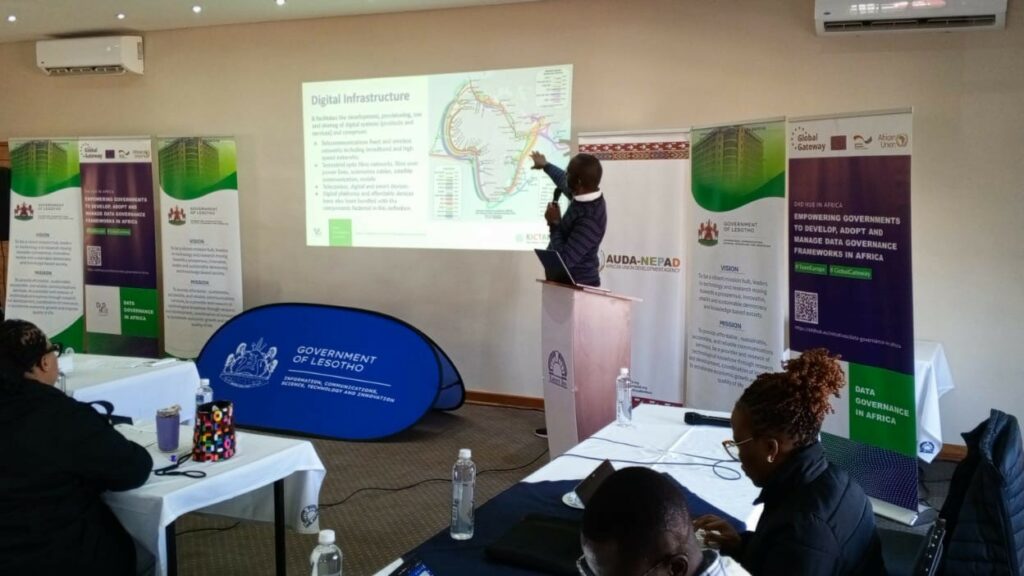
Why data governance matters for Africa’s digital future
When I began exploring data governance for this blog, I reflected on a personal encounter with its pitfalls. Recently, I fell victim to a data breach from my local post office on the very day I was sending a parcel. That afternoon, I received an SMS claiming the parcel could not be delivered unless I clicked a link and paid R18.20. The timing seemed legitimate, so I clicked. Only to realise later that it was a scam, and the link could have opened the door to digital viruses compromising my personal and financial data – luckily it didn’t. In this case, data is literally personal. Yet governance extends far beyond individual breaches. It shapes how collective, personal, and nonpersonal data is collected, managed, and used at local, national, and global levels. As I delved deeper, I realised how profoundly data influences decisions, policies, and daily life. Reflection on how data is handled is no longer optional. Before exploring governance, though, let us start with the basics: what do we mean by data? What is data? Data is a collection of facts, numbers, text, images, or other raw information used for reasoning, discussion, or calculation. It may be quantitative, like sales figures, or qualitative, like customer reviews. When produced in massive quantities from sources such as social media, health records, satellites, or financial transactions, it becomes big data, often applied in AI and machine learning. Analysed well, big data can help detect fraud, improve healthcare, strengthen safety, manage energy, and deliver better public services. What is data governance? If data is the raw material of the digital age, governance is how societies manage and protect it. Good governance is about more than compliance. It empowers people to exercise control over their digital lives, also known as digital agency, and enables societies to create value from data, often called digital capital. This includes the skills, infrastructure, and trust needed to turn data into social and economic development. We see this in practice through tools like Poverty Spotlight, which helps communities measure and address poverty by putting data in the hands of households. Another example is i4Policy’s African Entrepreneurial Ecosystem Index (co-created with various partners), which maps and strengthens conditions for entrepreneurship. Both show how well governed data can drive empowerment and inclusive growth. As Parminder Jeet Singh explains: “Data is the raw product for a digital economy. The finished product is digital intelligence, which has real economic value.” This raises critical questions: who owns data, who decides how it is used, and how do we balance innovation with privacy and sovereignty? Singh notes the goal is not to monetise personal data but to ensure it always benefits people. At the national level, risks arise when governments centralise control in authoritarian ways or when nations exclude themselves from the digital economy. The alternative is a new social contract around data, built on rights, collective benefit, and digital capital. Why data governance matters for Africa The African context holds both promise and challenge. Many countries face weak statistical capacity, outdated systems, and chronic underfunding. Donatien Beguy of the African Population and Health Research Center notes: “Given the circumstances, you can imagine how difficult it is for African governments to make data driven decisions. This situation is often compounded by the lack of an entrenched culture of data use.” Nigeria’s 2014 GDP rebasing shows what better data can reveal. Updating economic calculations for the first time in 20 years captured fast growing sectors like entertainment and mobile telecommunications. Nigeria instantly became Africa’s largest economy, reshaping domestic and international perceptions. Yet poverty remained high, showing the limits of headline figures. Without accurate, timely data, governments cannot allocate resources effectively or design responsive policies. Data governance and deliberation Governance is often viewed from a technical perspective – the what, how and where. However, it also involves moral dilemmas and tradeoffs (the why), much like artificial intelligence does. UNESCO and i4Policy research shows that: “When the topic at hand contains values driven dilemmas, complex problems that require tradeoffs, and long term issues… deliberative processes are best suited to guide the development of policy solutions.” This means citizens, civil society, governments, and businesses must all help shape policy. Towards a human centred data future Momentum is building. The Data Governance in Africa initiative, launched in 2023 with sixty million euros from the European Union and partner governments, supports the AU and its member states in building a harmonised, human centred data ecosystem. Its priorities include: As Southend Tech notes: “Organisations that prioritise good data governance unlock their true potential… The choice is simple: embrace governance as an enabler, or let bad governance hold you back.” i4Policy’s role in strengthening governance Central to Africa’s digital transformation is the AU Data Policy Framework (AUDPF), adopted in 2022. It provides a continental blueprint for strengthening national data systems, unlocking value, and safeguarding rights. Its objectives include secure cross border flows, personal data protection, innovation, and digital trade. These are essential for digital sovereignty and inclusion. Through the Datacipation project, i4Policy, as a GIZ partner and expert in participatory methodologies and processes, brings this vision to life. We are: “At i4Policy, by fostering a participatory and rights based approach, we aim to build a digital future where Africa’s data truly serves Africa’s people.” For more information on i4Policy and its work, please visit: www.i4policy.org Author: Belisa Rodrigues, Lead Instructional Designer, Innovation for Policy Foundation. Note: The views expressed in this article are those of the author and do not necessarily reflect the views of any institution mentioned herein. References African Entrepreneurial Ecosystem. (2024). African Entrepreneurial Ecosystem Index. Retrieved from https://africa.ecosystem.build African Union. (2020). Digital transformation strategy for Africa (2020–2030). Retrieved from https://au.int/en/documents/20200518/digital-transformation-strategy-africa-2020-2030 AU Data Policy Framework, https://au.int/en/documents/20220728/au-data-policy-framework Beguy, D. (n.d.). Challenges for African governments in making data-driven decisions. African Population and Health Research Center. D4D Hub. (2023). Data governance in Africa initiative. Jointly implemented by Enabel, Digital Africa, GIZ, ESTDEV, Expertise France, and HAUS. Retrieved from https://d4dhub.eu/data-governance-in-africa Learning in Reach. (n.d.). Poverty
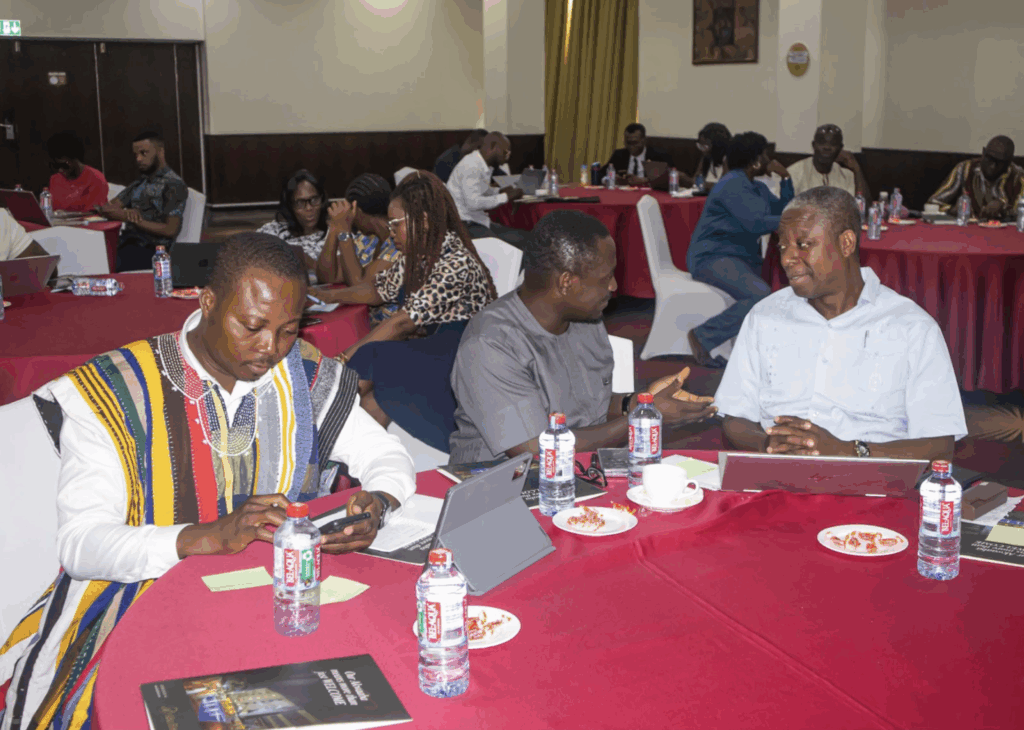
Driving sustainable agroforestry in Ghana – Policy insights from ecosystem stakeholders
Today’s democratic dispensation is witnessing a growing need for broader stakeholder collaboration and active citizen engagement in policy design and implementation. This calls for an innovative, responsive policy development process that ensures policies are relevant and applicable to local communities’ needs. Collaborative governance lies at the heart of i4Policy’s work. We believe that better policies emerge when the people most affected are involved from the very beginning. That is why we focus on connecting citizens directly with decision-making processes and fostering a shared understanding between communities and institutions. Since 2024, i4Policy has applied its innovative policy development tools, such as the ADDIS Framework, to support the agroforestry policy ecosystem in Ghana. The first phase culminated in a report that fully leveraged the ADDIS Framework. We subsequently engaged stakeholders nationwide through Policy Hackathons, which led to the development of a scoping report, as illustrated below: A Participatory Approach to Agroforestry Policy in Ghana Phase one revealed the potential for agroforestry farming practices to drive sustainable economic growth in the country. Ghana stands at a pivotal moment in advancing sustainable agriculture, climate resilience, and rural livelihoods. The newly published Agroforestry Policy Insights and Actions Framework, developed through a year-long participatory process, provides a roadmap for integrating trees into farming systems and building an inclusive, climate-smart agroforestry economy. Commissioned by the Netherlands Enterprise Agency (RVO) and supported by the Embassy of the Kingdom of the Netherlands in Ghana, the report was produced by the Innovation for Policy Foundation (i4Policy) through extensive national consultations. This process included two Policy Hackathons in Tamale and Kumasi, and a National Multistakeholder Workshop in Accra, engaging farmers, civil society, researchers, government agencies, and private-sector actors in co-developing solutions. The Framework identifies six thematic pillars that address Ghana’s most pressing agroforestry challenges, ranging from bridging technical and knowledge gaps to strengthening land and tree tenure systems, empowering smallholders, promoting crop diversification, and aligning institutional structures for long-term sustainability. It outlines actionable policy measures, institutional coordination mechanisms, and implementation priorities designed to turn stakeholder insights into scalable national strategies. At its core, the Framework emphasises participation, inclusivity, and continuity. It represents not just a report, but a living blueprint for collaboration between farmers, policymakers, researchers, and investors. The recommendations from the policy insights serve as the foundation for establishing the Agroforestry Technical Working Group (ATWG) — a national coordination mechanism that will guide policy alignment and implementation efforts going forward, with the Food and Agriculture Organisation (FAO) serving as its host institution. By embedding community knowledge, scientific research, and institutional partnerships into a unified framework, this publication marks a decisive step towards making agroforestry a central pillar of Ghana’s agricultural transformation and environmental stewardship.

Building Africa’s entrepreneurship policy on data: Rafiki Murenzi’s PhD Journey
Policy can unlock Africa’s entrepreneurial potential – but only if it is grounded in evidence. That’s the mission of doctoral candidate Rafiki Murenzi, who is bringing advanced data science and engineering into the heart of entrepreneurship policy at Stellenbosch University’s Allan Gray Centre for Africa Entrepreneurship (AGCAE). “We often talk about building entrepreneurial ecosystems, yet much of the available data is fragmented, uneven, or not decision-grade for local policy and action,” says Murenzi. “My PhD turns scattered indicators into timely, comparable evidence that entrepreneurs, policymakers, and investors can use together.” Murenzi is not new to the data world. With a Master’s in applied statistics from Jomo Kenyatta University of Agriculture and Technology, he began his career at the Rwanda Stock Exchange as a data and risk analyst before joining the National Institute of Statistics of Rwanda as a statistician and data scientist. His transition into entrepreneurship came in 2021 when he joined Allan & Gill Gray Philanthropies East Africa, where he worked on ecosystem projects across Rwanda, Kenya, and Ethiopia. It was here he encountered a recurring problem: despite growing interest in entrepreneurship, data was fragmented, unreliable, or missing altogether. His doctoral research uses Rwanda as a case study, with comparisons to Kenya, Ethiopia, and South Africa, but the ambition goes far beyond one country. At the centre of his project are four objectives: designing a national entrepreneurial data hub to collect, organise, and analyse ecosystem data; applying AI, machine learning, and statistical modelling to interpret both quantitative and qualitative data; facilitating data-driven dialogues between government (especially Rwanda’s Ministry of ICT and Innovation), entrepreneurial support organisations (ESOs), and entrepreneurs; and identifying key indicators to track the strengths, weaknesses, and maturity of entrepreneurial ecosystems. This work is deeply embedded in practice. Rwanda’s Entrepreneurial Ecosystem Recalibration Project, led by MINICT, provides a real- world testbed for his research. Murenzi’s PhD also builds on his involvement in major continental initiatives that are shaping entrepreneurship policy in Africa. He is co-developing the Africa Entrepreneurial Ecosystem Index (AEEI): a benchmarking tool that compares conditions for entrepreneurship across countries. By highlighting strengths, weaknesses, and opportunities, the AEEI helps entrepreneurs, ESOs, investors, and policymakers identify where ecosystems need the most support. The index is accessible through a dedicated platform, ensuring that insights translate into action. Beyond Rwanda, Murenzi has worked on interconnected Data Hubs of Hubs across South Africa, Rwanda, Kenya, and Ethiopia, with ambitions to expand further. These hubs consolidate ecosystem data, connect ESOs, and give stakeholders a shared evidence base to collaborate on. “These projects are about building visibility and certainty,” Murenzi says. “If entrepreneurs and policymakers can see the real data, where the gaps and opportunities are, they can work together more effectively.” Despite rich research, there’s still a gap in policy-ready tools especially in developing countries. Murenzi tackles this by building infrastructure that links entrepreneurs, ESOs, and policymakers through shared, comparable indicators. The data hub and the AEEI are not academic exercises; they are working infrastructures designed to serve real-world needs. For Murenzi, pursuing his PhD at Stellenbosch was a natural choice. The AGCAE’s focus on data-driven dialogues aligns with his professional journey, and Stellenbosch University’s global reputation offers the academic rigour to strengthen his research. But beyond academia, this project reflects his identity: a data scientist and engineer committed to solving Africa’s entrepreneurship challenges through evidence-based solutions. “Since 2014, I have dedicated my work to research and data. Through my PhD I aim to translate this experience into a lasting contribution to the entrepreneurship field, building the data infrastructure and evidence base that ecosystems in Africa need to grow.” Rafiki Murenzi’s PhD is not just about policy. It’s about building the data foundations, from national data hubs to continental indexes that Africa’s policymakers and ecosystem actors need to thrive. This article was originally published by the Allan Gray Centre for Africa Entrepreneurship (AGCAE), a key partner of Ecosystem.Build. The AGCAE contributes advanced research and tools that strengthen entrepreneurial ecosystems across Africa, co-inspiring sustainable development through data and ecosystem building.

Empowering African youth voices Through the CEP: Working with Women, Gender and Youth Directorate (WGYD)
The Women, Gender and Youth Directorate (WGYD) of the African Union, in collaboration with GiZ and i4Policy, is working to enhance youth engagement across the continent through a specialized instance of the Citizen Engagement Platform (CEP). This work will support the AU’s 1 Million Next Level Initiative by empowering youth organizations by providing the tools they need to increase their impact. It will enable them to track their contributions toward the initiative and benefit from resources shared by the WGYD to further equip these youth organizations. The African Union’s 1 Million Next Level Initiative is an African Union (AU) initiative that aims to empower youth across Africa through opportunities in education, employment, entrepreneurship, and engagement. It builds on earlier efforts to scale impact and positions young people as key drivers of change in achieving Agenda 2063. i4Policy will collaborate closely with WGYD to enhance and manage the platform, transforming it into a vibrant space where the more than 1,500 registered youth organizations previously registered can showcase their initiatives, collaborate across borders, and align their efforts with key continental objectives like Agenda 2063. This initiative took shape during the Citizen Engagement and Capacity Strengthening Program, a workshop hosted by WGYD and GIZ from May 14th to 16th, 2025, in Nairobi. The three-day gathering brought together over 50 youth leaders and changemakers from across Africa. The event focused on building critical skills and exploring how the CEP can become a powerful tool for youth to engage meaningfully with the AU and shape the future of the continent. Event highlights:

Part 2/2 Designing innovative entrepreneurship policies: How Cabo Verde is co-creating a Startup Act
Following on from our previous blog Part 1/2: The ADDIS Process and Cabo Verde’s Startup Act Journey, we bring you updated news from our work on the ground. Between June 2nd and 7th, 2025, the Innovation for Policy Foundation (i4Policy) supported the preparation and facilitation of three Policy Hackathons and a dedicated workshop for women in tech, as part of the Cabo Verde Startup Act process.This initiative was launched by the Government of Cabo Verde through its agency Cabo Verde Digital, with funding from the World Bank, in collaboration with i4Policy and Miranda & Associados. 3 islands, 3 Policy Hackathons The Policy Hackathons took place across three islands – Santa Maria (Sal), Mindelo (São Vicente), and Praia (Santiago) – bringing together 84 stakeholders from across the country’s entrepreneurial ecosystem. Participants included entrepreneurs, civil servants, academics, software engineers, students, and community leaders. The goal of the events was to co-create practical policy solutions to strengthen the startup and innovation landscape in Cabo Verde. Participants worked through a structured agenda to identify key challenges – ranging from financing barriers to digital infrastructure gaps – and collaboratively proposed actionable policy recommendations. Some ideas that surfaced included: These hackathons are part of a broader effort to ensure the Cabo Verde Startup Act is inclusive, grounded in local realities, and reflects the needs of entrepreneurs from diverse backgrounds and all islands. Listening to Women in Tech Alongside the hackathons, a Gender-Focused Workshop for women entrepreneurs in tech was held in Praia, facilitated by i4Policy. Eleven women gathered in an intimate setting to share their lived experiences of navigating a male-dominated sector. From unequal household responsibilities to exclusionary workplace norms, participants laid bare the systemic obstacles they face. Their proposed solutions included: What’s Next? The insights gathered from the Policy Hackathons and the Gender Workshop will be consolidated and validated through: Following this participatory process, the Startup Act will be drafted with legal support from Miranda & Associados.

Part 1/2: The ADDIS process and Cabo Verde’s Startup Act journey
Across many African nations, the vibrant potential of tech startups is often hampered by a myriad of restrictive and inconsistent policy conditions. This challenging business environment inflates transaction costs, stifling entrepreneurial activity and significantly slowing down essential processes like business registration compared to other global regions. A favorable business environment is universally recognized as a potent catalyst for foreign direct investment (FDI), job creation, and inclusive growth, even in the most developed economies. For island nations like Cabo Verde, FDI is particularly transformative. It injects vital capital, technology, and expertise, bolstering infrastructure and sectoral development, and fostering overall economic expansion. Studies consistently highlight that for small island economies, FDI not only supplies capital but also stimulates financial market development and enhances human capital – both critical for sustained growth. The flow of FDI is influenced by a multitude of factors, with varying impacts across different countries. This is especially pertinent for smaller nations that cannot compete in market size and scale with economic powerhouses like Nigeria, Kenya, South Africa, and Senegal. However, there’s compelling evidence that smaller countries, such as Mauritius and Panama, have ingeniously leveraged their size and unique characteristics to cultivate highly favorable business environments, particularly in finance and digital technologies. For context, in 2023, Mauritius attracted $794.5 million in FDI, significantly outperforming Cabo Verde’s $158.74 million. Mauritius’ success in attracting foreign investment stems from a meticulously crafted, business-friendly environment. This includes 100% foreign ownership, a low 3% corporate tax for global trading, tax-free dividends, and no capital gains tax. Furthermore, it offers attractive incentives such as accelerated depreciation, customs duty exemptions, investment tax credits, and tax holidays within Special Economic Zones. When compared to Cabo Verde, Mauritius boasts a more competitive tax regime, superior infrastructure, and robust government support, solidifying its position as a leading investment destination in Africa. The Imperative for a Startup Act in Cabo Verde Cabo Verde possesses immense potential to emerge as a leading regional hub for entrepreneurship. This archipelago of ten islands offers a wealth of entrepreneurial opportunities that can be unleashed through a business climate characterized by reduced government bureaucracy, lower transaction costs, and a strong ability to attract investments and skilled professionals. A prime example of this forward-thinking approach is the government’s introduction of the Cabo Verde remote work program, designed to position the country as an attractive destination for digital nomads and remote workers. The development of sound policies and programs is paramount for cultivating a responsive and forward-looking business ecosystem. This necessitates development policies that effectively address market failures, such as prohibitively high-interest rates, a scarcity of financing, capital flight, skills deficits, and information asymmetries (e.g., market pricing gaps, weak weather reporting, and stock market volatility). Since 2018, numerous African countries have embarked on developing various Startup Acts as a direct response to the specific needs of entrepreneurs. Nations like Tunisia, Senegal, and Nigeria have successfully passed their Startup Acts, with many more countries currently in the drafting stages. Cabo Verde stands to significantly accelerate its startup growth by enacting similar legislation. These legislative frameworks typically outline far-reaching policies designed to create a conducive environment for high-growth, innovation-driven businesses. Their objectives include supporting entrepreneurs in launching businesses, increasing incentives for investors to fund promising companies, and simplifying operational processes for startups. Common measures include tax holidays and other tax incentives, robust intellectual property laws, streamlined administrative processes, and even provisions for one-year leave periods for entrepreneurs with the right to return to their previous employment. In a collaborative effort, i4Policy and its local legal partner, Miranda & Associados, are working with the Government of Cabo Verde through the Ministry of Digital Economy and Cabo Verde Digital, with invaluable support from the World Bank, to develop a comprehensive Startup Act for Cabo Verde. This initiative adopts a stepwise, evidence-based approach. As part of this endeavor, extensive ecosystem benchmarking exercises are being conducted, utilizing both quantitative and qualitative data. Key to this exercise is utilising the latest data from the Africa Entrepreneurial Ecosystem Index designed in collaboration with i4Policy, Allan Gray Centre for Africa Entrepreneurship (AGCAE), and Utrecht University (see more here: https://africa.ecosystem.build/). This benchmarking spans seven critical dimensions: financing, human capital, culture, infrastructure, market access, support, and governance. These dimensions are fundamental to nurturing a robust entrepreneurial ecosystem and will directly inform the interventions outlined in the forthcoming Startup Act. The development of the Startup Act is meticulously designed to be participatory and inclusive, embracing a bottom-up approach. In partnership with Cabo Verde Digital, a series of Policy Hackathons were organized across three of the ten islands, with support provided for participants from neighboring islands to attend these crucial events. These collaborative gatherings will directly contribute to the co-creation of Cabo Verde’s future Startup Act. In our upcoming blog Part 2, we will dive deep into the insights gained through these multistakeholder engagements. i4Policy is employing the ADDIS participatory process for policy formulation in developing the Cabo Verde Startup Act. This strategic approach ensures that the Act is inherently ecosystem-driven, thereby positioning the country on a clear path towards global competitiveness. Written by Blaise Bayuo

Prestigious win for SA-initiated global entrepreneurship research partnership
The Allan Gray Centre for Africa Entrepreneurship (AGCAE) at Stellenbosch University, in collaboration with the Allan & Gill Gray Philanthropies (AGGP), Utrecht University, and the Innovation for Policy Foundation (i4Policy) have won three awards at the 2025 GEN Compass Awards in Indianapolis in the USA. At a glittering gala dinner event on 4 June 2025, Stellenbosch University’s Allan Gray Centre for Africa Entrepreneurship (AGCAE) and its partners were celebrated and announced as the winners in three categories at the 2025 GEN Compass Awards. Presented by the Global Entrepreneurship Network (GEN), the Compass Awards recognise outstanding contributions to the advancement of entrepreneurship through research, policy innovation, investment, and ecosystem development. AGCAE and its partners were recognised in three strategic categories. The first award, the Research Partnership Award, honoured Allan & Gill Gray Philanthropies (AGGP), which helped found the AGCAE. The organisation was acknowledged for how they established through collaboration, actionable research that improves policy, enhances entrepreneurship programmes, and drives ecosystem development. In particular, it is the AGCAE research collaboration with their partners I4Policy, Utrecht and the Rwandan Ministry of ICT (MINICT) that was celebrated as the motivational basis for the award. An example of collaboration excellence in setting up, leading and galvanising innovative partnerships with key international and African organisations in order to co-produce research that inspires social change. This has brought about tools and insights that are actively shaping entrepreneurship-led development across the continent. “We are delighted by this award,” said Dr Phumlani Nkontwana, Founding Director of AGCAE. “To be recognised alongside leading global institutions affirms the scientific and societal value of our work. This recognition is not just for our Centre, but for all those committed to building a more inclusive and productive entrepreneurial future across Africa.” The second award, Research Champion, was for the work of Professor Erik Stam (Utrecht University & AGCAE Research Partner), who was recognised for his influential research that bridges theory and practice, contributing to evidence-based approaches that inform entrepreneurship policy and ecosystem strategy across Africa. Specifically the co-producing of the “first-ever Africa Entrepreneurial Ecosystem Index” was cited as the motivational basis for this recognition in the past year. The third award, Policy Catalyst, went to Innovation for Policy Foundation (I4Policy), which was honoured for its pioneering work in participatory policy reform. I4Policy, a core AGCAE partner, continues to influence how entrepreneurship policy is designed and implemented across African economies. “We are humbled by this global recognition. At AGGP, we believe that rigorous, contextually relevant research is essential to building inclusive, thriving entrepreneurial ecosystems,” said Zimkhitha Peter, CEO of Allan & Gill Gray Philanthropy South Africa. “This award affirms the power of trusted partnerships and long-term investments in knowledge generation to drive meaningful, systemic change in Africa.” AGCAE and its partners are currently leading three high-impact and innovative collaboration initiatives: Among the AGGP category nominees were Johns Hopkins University, the Inter-American Development Bank, AfriLabs, and Startup Genome—making this win a significant recognition of excellence in Africa-led research collaborations on the global stage. Launched in June 2024, AGCAE is based at the School of Public Leadership, Faculty of Economic and Management Sciences, Stellenbosch University. The Centre is a flagship research initiative inspired by the mission of the Allan & Gill Gray Philanthropies to develop responsible entrepreneurs committed to the common good. AGCAE’s work is structured around three pillars: conducting rigorous research grounded in African contexts, co-inspiring entrepreneurial ecosystem building, and establishing a pan-African Data Hub of hubs for ecosystem intelligence. This article was first published on https://agcae.africa/publication/prestigious-win-for-sa-initiated-global-entrepreneurship-research-partnership/
A Participatory Approach to Agroforestry Policy in Ghana
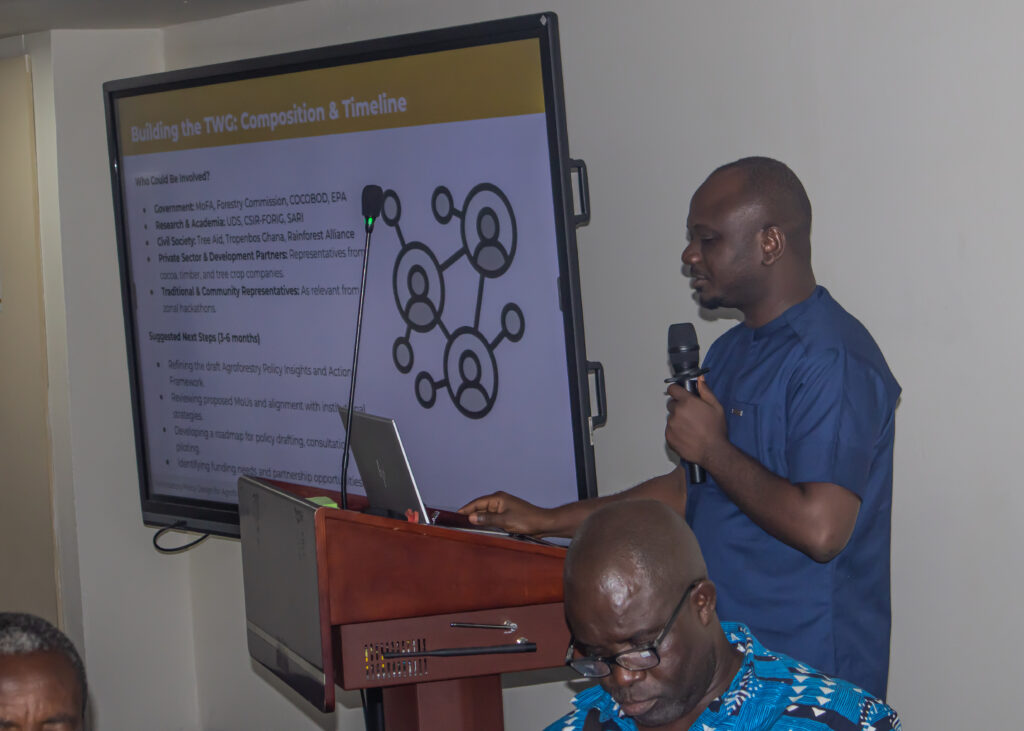
Collaborative governance is at the heart of i4Policy’s work. We believe better policies emerge when the people most affected are involved from the start. That’s why we focus on connecting citizens directly with decision-making processes and building shared understanding between communities and institutions. Our approach, the Decision Thinking methodology, has grown over the years through hands-on work in different countries and policy areas. The work we’re now leading in Ghana – designing and implementing a national, participatory approach to support sustainable agroforestry policy – builds on earlier experiences in places like Senegal, Nigeria, and Zambia, where we focused on entrepreneurship and labor reforms. These efforts have taught us an important lesson: when people are involved in shaping policy, the outcomes are more inclusive, more representative, and more likely to last. In Ghana, our project, commissioned by the Netherlands Enterprise Agency (RVO), aimed to understand and tackle the barriers hindering the growth of agroforestry. To achieve this, we applied our innovative and participatory ADDIS methodology. The ADDIS process is a decision-thinking framework that provides policymakers and communities with a shared language for collective, participatory public policy-making. The framework was developed to enable citizens, communities and public officials to understand, claim ownership of and re-imagine their decision-making processes. It can be applied to a wide range of social contexts, from the individual to the global level, and to all types of public policy and legislative areas. Above images taken at the Tamale Agroforestry Hackathon (May 2025) The model evolved from combining tools from social innovation, such as human-centered design, and community organizing, with the theories and practices of participatory policymaking. For this project, we used qualitative research methods, including Focus Group Discussions (FGDs) and Key Informant Interviews (KIIs), engaging a range of stakeholders – from farmers to policymakers – in both Kumasi and Accra. This foundational work brought together around 20 participants from across Ghana’s agroforestry ecosystem. Dennis Owusu, Project Lead at Terraformation: “For me, both the November 2024 and May 2025 workshops have been empowering. They’ve helped bridge the gap between local stakeholders and national policymakers, not just through the increase in number of participants from the November 2024 to May 2025 workshop, but also by using local languages that allowed everyone, including those with limited literacy, to share their experiences and ideas freely. The diversity of participants from farmers to academia, NGOs, and national institutions like COCOBOD, FORIG, and EPA, for me, made the discussions rich and grounded. I strongly believe the outcomes of these workshops truly reflect the voices and endorsement of those who matter most in Ghana’s agroforestry sector.” In Kumasi, we engaged directly with those working on the ground, while in Accra, the discussions involved more decision-makers. This approach provided a first step in understanding the complex realities shaping agroforestry in Ghana. Engaging with a diverse range of perspectives was crucial in identifying shared challenges and establishing a foundation for collaborative action. That shared understanding became the starting point of our participatory process, which is now entering its second phase. Accra’s multi-stakeholder workshop was the culmination of the Tamale and Kumasi hackathons, with participants drawn from various stakeholder groups. The MSW, however, saw greater participation from policymakers and development partners, as well as women farmers from across the country. Above photos taken from Accra Multistakholder Workshop 27 May 2025 Day one of the MSW featured technical group discussion sessions where participants reviewed and validated findings from the previous hackathons, prioritised solutions, and laid the foundation for a technical working group. i4Policy experts took turns presenting the findings, while participants from the Tamale and Kumasi hackathons also shared insights from their sessions. We used a mix of digital tools and sticky notes to enrich the group discussions. One of the participants expressed her satisfaction at the end of the day when she (Aganes) said: “Good facilitation, very interactive, I love the use of modern technology” The next day, which was day two, the participation increased with more policymakers joining to highlight the need for an agroforestry system. I4Policy’s Blaise Bayuo explaining the work of a Technical Working Group in Accra.. Speeches from dignitaries and open-floor discussions on the formation of an agroforestry working group formed part of the interactive sessions. When asked for his assessment of the two-day event, John Sumbo observed that: “Discussions were good, the breaks between were ok as well. The networking was alright, flexibility of the workshop was superb”. Day two ended with more excitement and expectations for concrete steps towards agroforestry dynamism in Ghana. As we move forward in Ghana, our work will focus on strengthening connections between stakeholders and decision-makers across the country, using the Decision Thinking methodology. This structured participatory framework supports collective problem-solving by helping stakeholders and policymakers jointly address challenges and co-design implementable policy solutions. By deepening collaborative governance, we aim to sustain ongoing dialogue, build consensus, and promote shared ownership – ultimately creating space for diverse voices in communities. This ongoing initiative reflects i4Policy’s broader commitment to advancing democratic and participatory approaches across different policy areas, ensuring that communities remain at the center of public decision making. The Report Written by Sebastián Calderón
i4Policy and American University of Cairo collaborate: Bringing real-world policy into the classroom
On 12 May, i4Policy had the opportunity to pilot a new approach to applied learning by integrating our online MOOC series (www.learn.ecosystem.build) into the Masters-level ECON 5251: Economic Setting of Development course at the esteemed American University in Cairo (AUC), while Erik Stam from Utrecht University and our colleagues, Tim Gelissen and Aniya Hamilton, joined the course as guest lecturers at the invitation of Ismaeel Tharwat. The collaboration brought together academic and practitioner perspectives to offer AUC students a well-rounded, practical introduction to entrepreneurial ecosystem development. Through an engaging online session, Tim and Aniya guided these future leaders through a hands-on policy cycle workshop, utilizing our ADDIS methodology – a decision-thinking process crafted to build inclusive and participatory policy initiatives. As part of the programme commitment, students had to complete all 6 of the i4Policy online learning modules available on learn.ecosystem.build. Student feedback reflected strong engagement with the practical learning format, with one participant noting the workshop was “very enjoyable, engaging, and fruitful.” The session created space for thoughtful exchange with aspiring PhD-candidates, economists, and data scientists. The beauty in these exchanges lies in the seeds being planted. As the session came to a close, the i4Policy team and students all joked that in the near future the masters students might be the ones championing policy change in their home countries. At i4Policy, we’re continuing to test ways to bridge academic theory with practical policy-making experiences. We’re grateful to our partners at Utrecht University and AUC for their collaboration on this pilot and look forward to further co-developing learning experiences that equip students with the tools and mindsets to shape inclusive policy. If you’re interested in exploring a customised programme for your institution, please contact Belisa Rodrigues (belisa@i4policy.org), Tim Gelissen (tim@i4policy.org) or Prof Erik Stan (e.stam@uu.nl) Also see attached flyer for more information. Let’s collaborate to inspire and equip the policy leaders of tomorrow, today! More about AUC:Located in Cairo, the American University in Cairo (AUC) is a leading English-language, American-accredited institution of higher education and center of intellectual, social and cultural life of the Arab world.